

Here’s something that might surprise you – you’ll spend about a third of your entire life in bed. That’s roughly eight hours every single day resting, sleeping, and recharging in your bedroom sanctuary.
Yet most conventional bedding contains harmful chemicals, synthetic materials, and contributes to environmental waste. Your sleep space should be working for you, not against you. The good news? You can create a healthier bedroom whilst reducing your environmental impact at the same time.
Why choose eco-friendly bedding for better sleep?
Sustainable bedrooms don’t mean sacrificing comfort for conscience. The best eco-friendly materials – organic cotton, linen, and wool – are naturally breathable, biodegradable, and produced without harsh chemicals. When you’re shopping for truly sustainable options, look for certifications like GOTS (Global Organic Textile Standard) to ensure your bedding is free from harmful substances.
Small changes can make a big difference to both your wellbeing and the planet. Swap your traditional light bulbs for energy-efficient LEDs and you’ll slash your energy consumption by up to 90%. Add a few houseplants to your bedroom and they’ll act as natural air purifiers, improving the quality of air you breathe whilst you sleep.
Ready to discover how easy it is to create a sleep sanctuary that’s brilliant for both you and the environment? Your eco-friendly bedroom makeover starts here.
Choose the right eco-friendly bedding materials
Your bedding materials make all the difference when it comes to both your health and the planet’s wellbeing. But navigating the world of “sustainable” bedding can be tricky – marketing claims don’t always tell the whole story.
Organic cotton vs. bamboo: the sustainability showdown
Organic cotton wins hands down as the genuinely eco-friendly choice. Unlike conventional cotton, organic varieties use approximately 88% less water and 62% less energy. Grown without synthetic pesticides or fertilisers, organic cotton supports healthier soil and encourages greater biodiversity.
Bamboo bedding? It’s not quite the eco-hero it’s marketed to be. Whilst bamboo plants grow rapidly with minimal water and no pesticides, the manufacturing process tells a different story. Most “bamboo” bedding is actually bamboo rayon or viscose, created through heavy chemical processing that wipes out many environmental benefits. The Made-By Environmental Benchmark gave linen and hemp the highest A rating for sustainability, whilst bamboo viscose received an E rating.
Essential certifications worth looking for
Don’t get caught out by greenwashing. These certifications guarantee you’re getting genuinely sustainable bedding:
- GOTS (Global Organic Textile Standard): Your gold standard certification that guarantees fabric contains at least 70% certified organic fibres (95% for full certification) and meets strict environmental criteria throughout production. GOTS also prohibits toxic dyes, bleaches, and finishes.
- OEKO-TEX Standard 100: Tests every single component of a product—fabric, threads, buttons, zippers—for over 350 harmful chemicals. This certification ensures your bedding is completely free from substances that could harm your health.
Both certifications also verify fair treatment of workers throughout the supply chain, adding an ethical dimension to your purchase.
Steer clear of synthetic blends and microplastics
Here’s something alarming – synthetic bedding materials like polyester, microfibre, and hollow fibre contain microplastics that break down over time. These tiny particles infiltrate air, water systems, and eventually food chains. Microfibres represent up to 85% of man-made debris found along shorelines worldwide.
Watch out for misleading terms like “cotton blend” – this typically means the fabric contains synthetic fibres. Instead, choose 100% natural materials such as organic cotton, linen, or wool. These biodegradable options eliminate microplastic pollution whilst providing better temperature regulation and breathability for more comfortable sleep.
Takeaway tip: Always check the label for 100% natural fibre content – anything less means you’re getting synthetic materials mixed in.
Your mattress matters more than you might think
Your mattress is the foundation of every good night’s sleep, yet most conventional options are packed with petroleum-based foams and chemical treatments. The brilliant news? Switching to eco-friendly alternatives can dramatically reduce your bedroom’s environmental impact whilst giving you better rest.
Natural materials that actually work
Sustainable mattresses focus on materials that come straight from nature. Natural latex mattresses, made from rubber tree sap, offer incredible durability and support without any nasty chemicals. When you’re shopping around, these certifications are worth looking out for:
- GOTS (Global Organic Textile Standard) – Ensures cotton contains at least 70% certified organic fibres
- GOLS (Global Organic Latex Standard) – Verifies latex is at least 95% natural
- OEKO-TEX Standard 100 – Tests for over 350 harmful substances
Organic wool mattresses are another fantastic choice, particularly if you tend to overheat at night. They’re naturally hypoallergenic and brilliant at temperature regulation. You’ll also find mattresses made from recycled materials, including steel coils and eco-foam, which give old materials a new lease of life.
What makes natural fillings so special?
Natural latex deserves a special mention for its resilience and antimicrobial properties. What’s particularly clever is that it’s completely biodegradable and harvested without harming the rubber trees, which keep absorbing carbon dioxide for decades.
Wool fillings bring some serious benefits to your sleep:
- Outstanding breathability that wicks moisture away from your body
- Natural flame resistance without any chemical treatments
- Excellent temperature control, keeping you comfortable year-round
Organic cotton creates the softest, healthiest sleep environment, free from pesticide residues and harsh processing chemicals.
Don’t let your old mattress end up in landfill
Here’s a sobering fact: approximately 86% of UK mattresses end up in landfills where they take decades to decompose. You can do better than that.
Your local council collection service costs around £20-25 and can be booked online through your council website. Many retailers offer take-back schemes for about £35-40 when you’re buying a replacement.
Takeaway tip: Specialist mattress recycling services can recover over 75% of materials – springs get melted down for new steel, whilst foam becomes carpet underlay.
Still got life left in your old mattress? Donating to charitable organisations means someone else benefits whilst you help the planet.
Create a naturally healthy sleep atmosphere
Your bedroom’s air quality matters just as much as the bedding you choose. The atmosphere you breathe whilst sleeping directly affects both your rest and overall wellbeing.
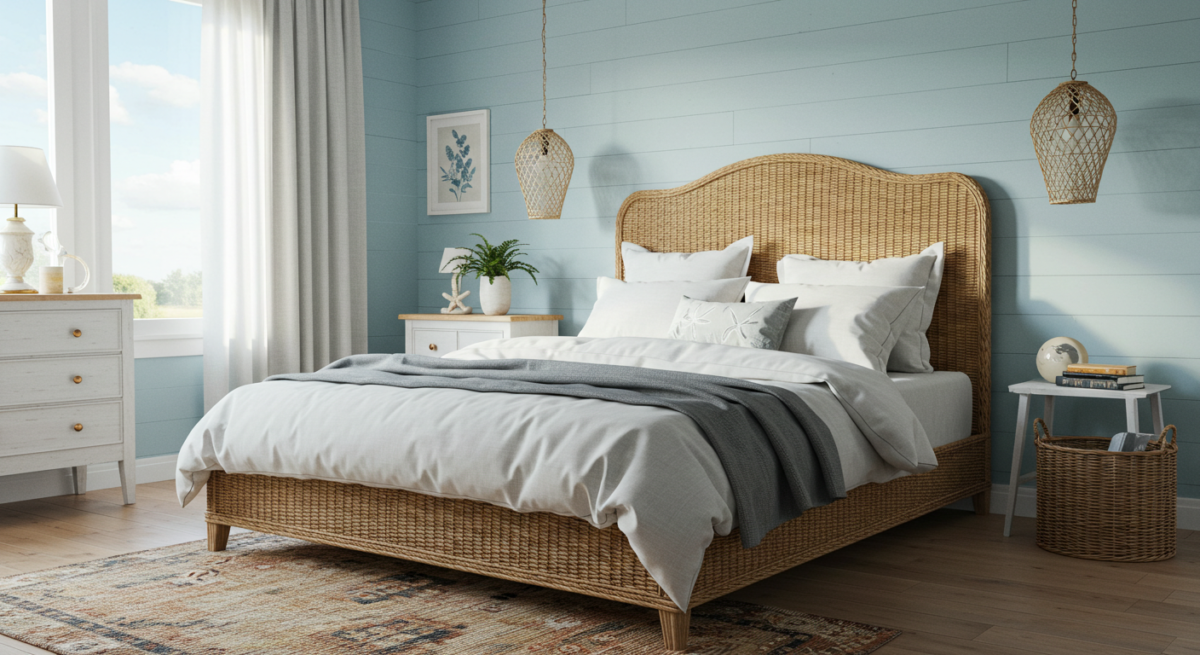
Image source: Bedstar
Add plants that work whilst you sleep
Certain houseplants can help freshen your bedroom air, though research shows mixed results on their overall effectiveness. Plants like peace lily (Spathiphyllum), snake plant (Sansevieria trifasciata), and spider plant excel at absorbing common indoor pollutants. The snake plant particularly stands out as it continues releasing oxygen during nighttime, making it ideal for bedrooms. Aloe vera also absorbs airborne toxins and releases oxygen at night.
Takeaway Tip: Place a snake plant or aloe vera on your bedside table for natural air purification whilst you sleep.
Choose essential oils over synthetic fragrances
Synthetic fragrances often contain chemicals that compromise indoor air quality. Essential oils provide a natural solution that’s better for both you and the environment. Indoor air can be up to five times more polluted than outdoor air, so diffusing essential oils like eucalyptus and tea tree helps eliminate bacteria and viruses. Oils such as lavender and chamomile offer calming effects, promoting better sleep. When using essential oils, ensure proper diffusion through ultrasonic diffusers or reed diffusers.
Paint your walls with natural materials
Conventional paints emit volatile organic compounds (VOCs) that negatively affect indoor air quality and health. Natural paints made from plant-based ingredients with mineral pigments offer breathable, odourless, and low-VOC alternatives. Clay plaster serves as possibly the most sustainable wall finish, being free from toxins and chemicals while regulating humidity. These natural treatments improve air quality without introducing harmful substances into your sleep environment.
Smart energy choices for your eco-friendly bedroom
Your bedroom makeover isn’t complete without addressing energy consumption. The brilliant news? Small changes to your lighting and heating habits can slash your environmental impact whilst saving money on bills.
LED lighting and smart switches
LEDs are game-changers for eco-friendly bedrooms. Switch from traditional halogen bulbs and you’ll cut energy consumption by up to 80%. Even better, these efficient lights last up to 50,000 hours – that’s roughly 50 years of average use.
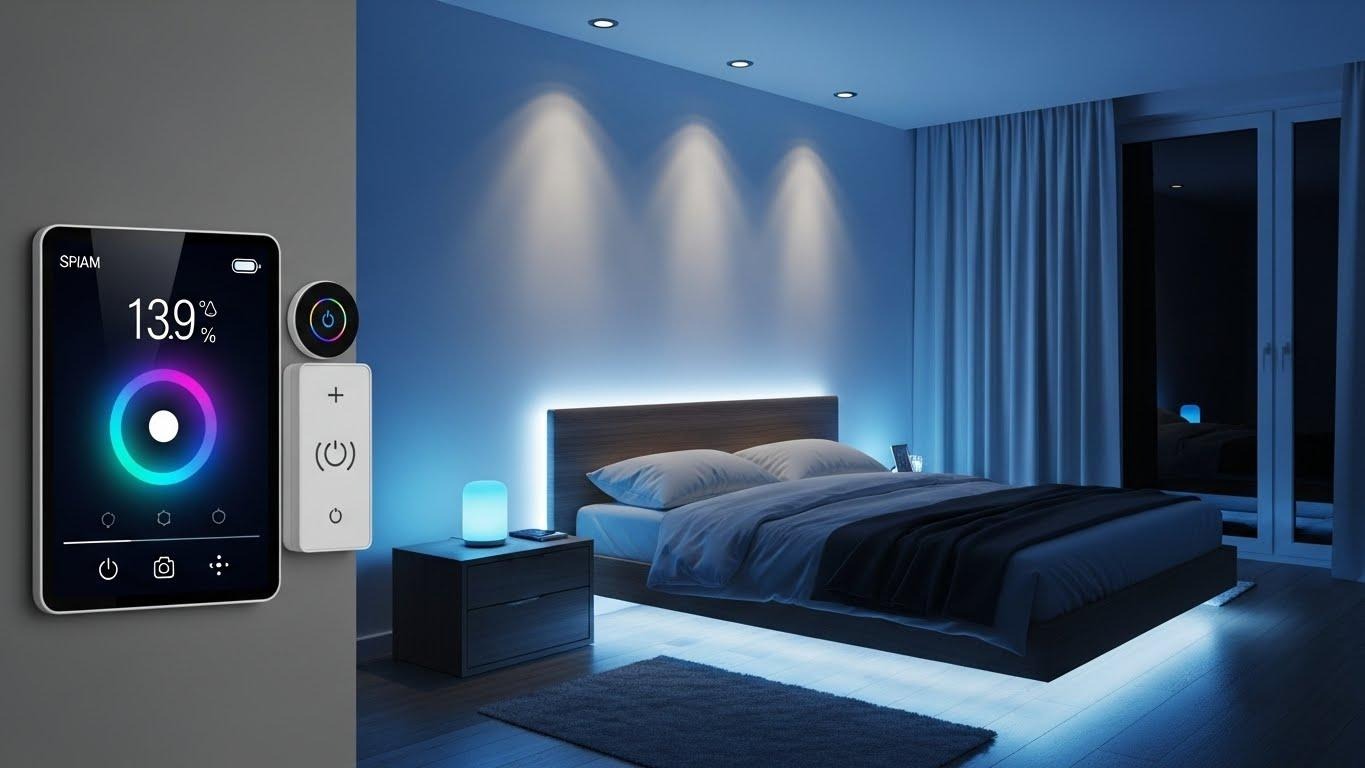
Smart lighting systems take efficiency further with motion sensors that automatically switch off lights when rooms are empty, plus timers that prevent unnecessary usage.
Smart switches give you brilliant control options:
- Remote lighting control via smartphone apps
- Scheduled automatic on/off times
- Dimming capabilities that reduce electricity consumption by nearly 50%
Thermal curtains and insulation tips
Windows are notorious energy wasters – approximately 40% of your home’s warmth escapes through poorly insulated windows. Thermal curtains work like double glazing, creating insulating air pockets that reduce heat loss by up to 25% when drawn at dusk.
Takeaway Tip: ensure curtains extend several inches beyond window frames to create proper seals for maximum effectiveness.
Eco-friendly cleaning products for bedding and furniture
Traditional cleaning chemicals harm both your health and the environment. Plant-based biodegradable alternatives work just as effectively whilst offering these benefits:
- Reduced exposure to potentially harmful substances
- Lower carbon footprint through sustainable manufacturing
- Less plastic waste with concentrated refill options
Your bedroom sanctuary deserves cleaning products that are as kind to the planet as they are to your family.
Your eco-friendly bedroom makeover starts here
You’ve got everything you need to create a sleep space that’s brilliant for both you and the planet. The small changes we’ve covered can make a real difference to your bedroom’s environmental impact whilst improving your sleep quality at the same time.
Natural materials are your best friend when it comes to sustainable bedding. GOTS-certified organic cotton, wool, or linen gives you truly eco-friendly textiles without the nasty chemicals. Pair these with a natural latex or wool mattress and you’ll eliminate those petroleum-based foams for good.
Don’t forget about the air you breathe whilst you sleep. Snake plants work overtime purifying your bedroom atmosphere, whilst essential oils give you gorgeous natural scents without synthetic chemicals. Non-toxic paints keep harmful VOCs out of your sanctuary too.
Energy-saving touches complete your eco-friendly bedroom. LED bulbs slash your electricity usage, thermal curtains keep the heat in, and plant-based cleaning products maintain your space without harming the environment.
Here’s the brilliant part – you don’t need to tackle everything at once. Start small with organic cotton sheets or thermal curtains, then build from there. Each change contributes to both planetary health and your personal wellbeing.
Remember, you spend roughly a third of your life in your bedroom, so it deserves this thoughtful attention. Sweet dreams await in your new sustainable sanctuary.
Key Takeaways
Transform your bedroom into a sustainable sanctuary that benefits both your health and the planet with these essential eco-friendly upgrades:
• Choose certified natural materials: Opt for GOTS-certified organic cotton, linen, or wool bedding to avoid harmful chemicals and microplastics whilst ensuring genuine sustainability.
• Upgrade to natural mattresses: Switch to natural latex, wool, or organic cotton mattresses that eliminate petroleum-based foams and provide better temperature regulation for improved sleep quality.
• Improve air quality naturally: Add snake plants or peace lilies for natural air purification, use essential oils instead of synthetic fragrances, and choose non-toxic paints to reduce indoor pollutants.
• Reduce energy consumption: Install LED bulbs (80% less energy), thermal curtains (25% less heat loss), and smart switches to significantly lower your bedroom’s environmental impact.
• Dispose responsibly: Use council collection services or retailer take-back schemes to recycle old mattresses, as 86% currently end up in landfills where they take decades to decompose.
Remember, you spend roughly one-third of your life sleeping, making your bedroom environment crucial for both personal health and environmental responsibility. Start with small changes like switching to organic cotton sheets or adding thermal curtains, then build gradually toward a completely sustainable sleep sanctuary.
FAQs
Q1. What are the best eco-friendly materials for bedding? The most sustainable bedding materials include organic cotton, linen, and wool. These natural fibres are breathable, biodegradable, and produced without harsh chemicals. Look for certifications like GOTS (Global Organic Textile Standard) to ensure the highest environmental and ethical standards.
Q2. How can I improve air quality in my bedroom naturally? Add air-purifying houseplants like snake plants or peace lilies to your bedroom. Use essential oils instead of synthetic fragrances for a pleasant scent. Choose non-toxic, low-VOC paints and wall treatments to reduce indoor pollutants and create a healthier sleep environment.
Q3. What are some energy-saving tips for an eco-friendly bedroom? Switch to LED bulbs, which use up to 80% less energy than traditional options. Install thermal curtains to reduce heat loss by up to 25%. Use smart switches to control lighting remotely and schedule automatic on/off times, further reducing unnecessary energy consumption.
Q4. How can I responsibly dispose of my old mattress? Consider council collection services or retailer take-back schemes for recycling. Specialised mattress recycling services can recover over 75% of materials. If your mattress is still in good condition, donating to charitable organisations is an eco-friendly option that also helps others in need.
Q5. What are the benefits of creating an eco-friendly bedroom? An eco-friendly bedroom not only reduces your environmental impact but also improves your sleep quality and overall health. Natural materials and non-toxic treatments create a healthier sleep environment, while energy-saving measures can lower your utility bills. Given that we spend about a third of our lives in bed, these changes can have a significant positive impact on both personal wellbeing and the planet.








Comments are closed.